What the original game looks like under UKGC rules
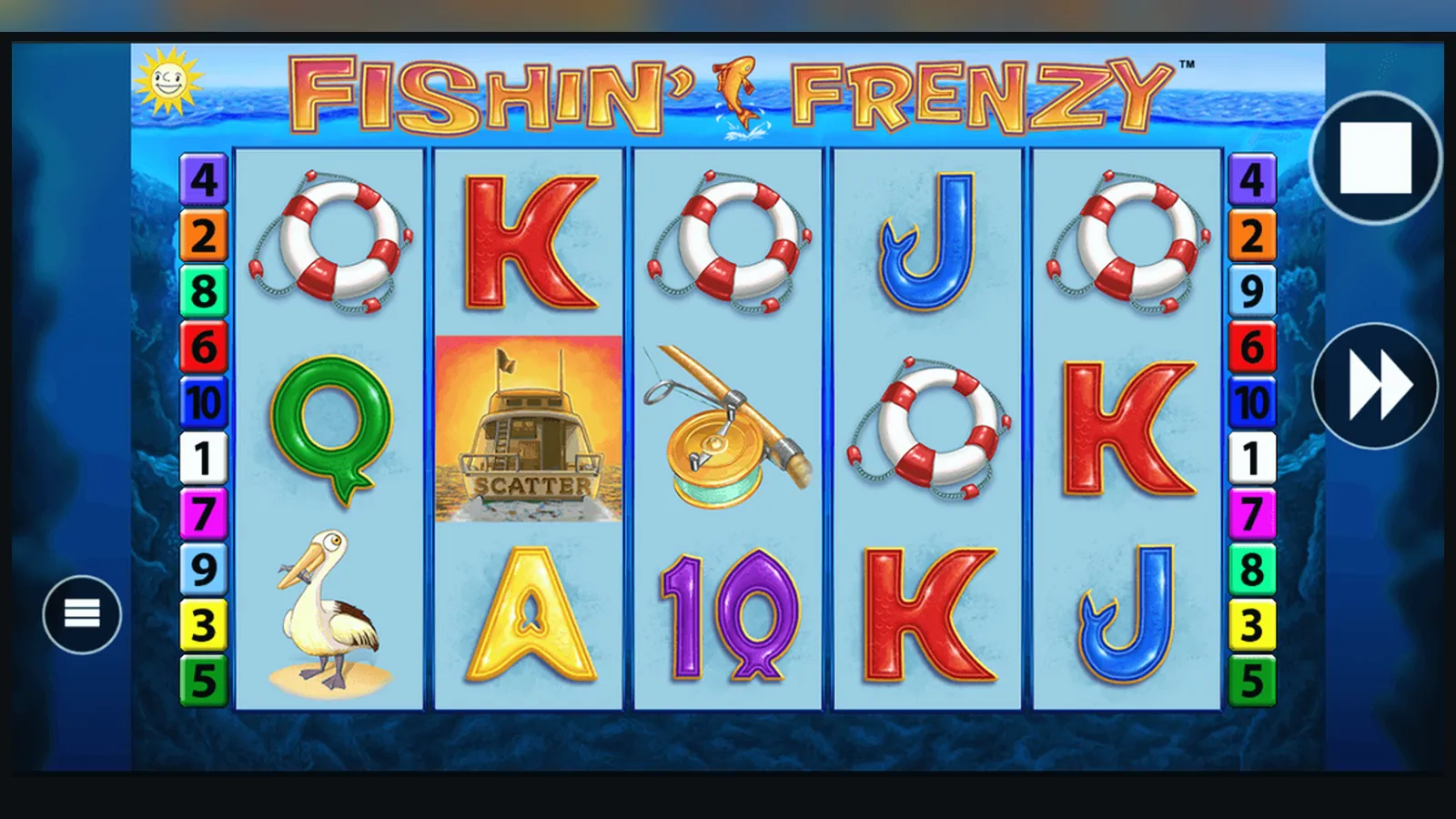
Blueprint Gaming's Fishin' Frenzy reports a theoretical return-to-player figure of 96.12 per cent—a number locked into the maths model when the game received its GLI-19 certificate in 2014. That figure appears on every legitimate copy. But the experience a player in the United Kingdom gets today is shaped just as much by the stake caps, affordability triggers and identity checks the regulator laid on top.
This page walks through the original game as it actually runs: who certified the RNG, what the paytable promises, how the free-spins round works, where the clones diverge, and the ten-second checks that tell you whether the site serving the slot holds a current UK Gambling Commission remote licence. We use Blueprint's published technical sheet and the UKGC's public register—not marketing copy.
Blueprint Gaming built it; GLI and the UKGC certified it
Blueprint Gaming, a Gauselmann Group studio based in the West Midlands, released Fishin' Frenzy in November 2014. The game passed GLI-19 certification—the Gaming Laboratories International standard that tests RNG output, paytable accuracy and stated RTP against what the code actually delivers over ten billion spins. That certificate sits with the developer; you will not see it published on every casino footer, but any UKGC-licensed operator serving the game must hold documentation proving the slot meets technical standards before the Commission grants the remote gambling software licence.
The UKGC licence itself appears as a eight-character reference at the bottom of every legitimate site: something like 000-039483-R-319289-001. You can search that number in the Commission's public register and confirm the operator name, licence status and any conditions or sanctions. If the footer shows no UKGC number, or the number does not match the register, the site is unlicensed—and illegal to advertise or transact with players in this market.
A round from the player's seat
You pick a stake between £0.10 and £5.00—or £2.00 if you are aged eighteen to twenty-four, because the Commission introduced a lower cap for younger adults in April 2024. The game runs on ten fixed paylines across five reels. Press spin; the RNG fires; symbols land. If three or more matching fish, lifebelt or playing-card ranks line up left-to-right on a payline, you collect the multiplier shown in the paytable, applied to your total stake.
Three, four or five scatter symbols—a fisherman in a yellow coat—trigger ten free spins. During those spins every fish symbol that lands collects a cash value between 2× and 50× your stake, added to your running total. The round cannot retrigger. When the ten spins finish, the game pays the accumulated amount in one lump sum and returns you to the base reels.
The highest single win in one spin is 5,000× your stake. If you bet £1.00, the ceiling is £5,000. Because the game uses medium volatility, the RTP of 96.12% arrives through frequent small wins rather than rare huge ones, and the free-spins round typically pays between 10× and 200× rather than the theoretical maximum.
The real numbers from the technical sheet
Blueprint's published sheet lists the minimum bet in dollar terms as $0.20; on UK sites the game converts that to £0.10 at the lower end, with the £5.00 cap imposed by statute rather than the developer. The RTP figure is the same across all licensed jurisdictions—96.12%—but variance in sample size means your session result will almost certainly differ from the long-run average.
Mechanics: base game, scatter trigger, free spins and collection
**Base game**: ten paylines, fixed and always active. The fisherman scatter pays 2×, 20× or 200× your stake for three, four or five anywhere on screen, and three or more also launch the bonus. Fish symbols pay on paylines in the base game—yellow fish 100×, green 50×, blue and purple 25× each—but they do not collect values until the free spins start.
**Free-spins trigger**: three scatters trigger ten spins. You cannot retrigger; the scatter symbol disappears during the feature. The reels use the same layout and the same RNG, but every time a fish symbol lands it awards a random prize between 2× and 50× your stake. Those prizes accumulate in a meter, and the total pays when the tenth spin completes.
**Fish collection**: the values are weighted. Low-value fish land more often but award 2× to 10× most of the time. High-value yellow fish appear less frequently but can deliver 20× to 50×. The mechanic is not a pick-bonus—there is no player choice. The RNG determines both which fish land and what values they carry.
**Paytable scaling**: every prize scales with your bet. If you stake £0.50 and land a 50× fish, you collect £25. If you bet £5.00 and hit the same fish, you collect £250. The volatility profile stays the same; the pound amounts change.
Clones, reskins and how they diverge
Blueprint released five direct sequels: The Big Catch (2017), Megaways (2020), Prize Lines (2021), Even Bigger Catch (2023) and Jackpot King (2024). Each carries the Fishin' Frenzy brand and the same studio name, but the maths and mechanics differ. The Megaways version runs 117,649 ways and variable RTP between 95.02% and 96.08%, depending on operator config. Prize Lines replaced free spins with an instant-prize ladder. The sequels are legitimate games from the same developer—not counterfeits—but the paytables, RTPs and bonus structures are distinct.
Unlicensed clones circulate under names like Fishing Frenzy, Fish Mania and Crazy Fishing. These copies use similar reel layouts and fish graphics but run on unlicensed software, often with no stated RTP, no GLI certificate, and no regulator oversight. They appear on sites that do not publish a UKGC licence number and typically accept cryptocurrency or unverified cards. The visual similarity is intentional; the backend is not the same game.
| Version | Developer | RTP | Max win | UKGC status | |
|---|---|---|---|---|---|
| Fishin' Frenzy (original) | Blueprint | 96.12% | 5,000× | Licensed | → |
| Fishin' Frenzy Megaways | Blueprint | 95.02–96.08% | 10,000× | Licensed | → |
| Fishing Frenzy (clone) | Unknown | Not stated | Unknown | Unlicensed | → |
Ten-second check: UKGC register, RTP disclosure and payment methods
- Scroll to the footer and find the UKGC licence number—eight characters, format 000-039483-R-319289-001. Copy it.
- Open the UK Gambling Commission public register at gamblingcommission.gov.uk and search the number. The operator name, licence type and status must match the site.
- Check the game's information screen. Tap the 'i' or '?' icon on the slot. The original displays «RTP: 96.12%» and «Blueprint Gaming» in the rules panel.
- Look at the payment methods. UK-licensed sites accept debit cards, PayPal, Apple Pay and Open Banking. They do not accept credit cards—banned for gambling since April 2020—and most do not take cryptocurrency.
If the licence number is missing, the RTP is not disclosed, or the site promotes credit-card or crypto deposits, you are not on a UKGC-compliant operator. Unlicensed sites cannot enforce disputes through the regulator, and winnings are not protected by the segregated-funds rule that applies to licensed operators.
Where it runs for a player in this market, and what changes
The original Fishin' Frenzy appears in the lobbies of approximately eighty UKGC-licensed operators as of early 2026, including household high-street brands and online-only platforms. Every one of them enforces the £5.00 stake cap—or £2.00 if you registered an account aged eighteen to twenty-four. That cap applies across all slots; it is not a Fishin' Frenzy rule, it is a Commission rule.
Many sites show demo play, but only after you create an age-verified account. Free play used to be available to anonymous visitors; the Commission tightened that in late 2023 to ensure players under eighteen could not access gambling software, even in demo mode. You will need to provide name, date of birth and address before the demo button unlocks.
Real-money play requires full KYC: proof of identity and proof of address, usually a passport or driving licence plus a recent utility bill or bank statement. Most operators run an automated check at deposit through credit-reference agencies; if your data does not verify instantly, they will request documents and pause deposits until the review completes—typically twenty-four to forty-eight hours. Once verified, your first withdrawal triggers a further manual check, adding one to three working days before the funds release. Subsequent withdrawals to the same payment method clear faster, often same-day via Faster Payments.
Affordability checks begin at £150 net deposits per month, measured across a rolling thirty-day window. The first check pulls anonymised data from credit-reference files; you do not submit documents unless the operator flags an inconsistency. At higher thresholds—usually around £1,000 a month—the Commission expects operators to request payslips or bank statements. These checks are statutory; sites cannot waive them to win your business.
FAQ
Does the UKGC licence guarantee fair play?
The licence confirms the operator met the Commission's standards at the time of issue: segregated player funds, GLI-certified RNG, responsible-gambling tools and dispute procedures. It does not guarantee you will like the site's withdrawal times or customer service. Check independent reviews and complaint forums, and confirm the licence is still active in the public register before you deposit.
Why does the demo ask for age verification now?
The Commission tightened free-play rules in 2023 to keep under-eighteens away from gambling software, even in demo mode. Many UK-licensed sites now require a registered, age-verified account before the demo unlocks. You will not deposit or wager, but you will need to confirm your date of birth through a credit-reference check.
Can I raise the stake above £5.00 if I am over twenty-five?
No. The £5.00 cap applies to every player on every online slot, regardless of age, income or account history. The only lower cap is £2.00 for players aged eighteen to twenty-four. Unlicensed sites might offer higher stakes, but they sit outside UK law and UKGC protections.
How do I tell a Blueprint sequel from a clone?
Blueprint's sequels carry the studio name in the loading screen and rules panel, publish the RTP in the information menu, and appear only on UKGC-licensed sites. Clones use similar graphics and titles like «Fishing Frenzy» or «Fish Mania», omit the developer credit, do not state an RTP, and run on unlicensed platforms that skip the Commission's register.